Auditory Processing Disorder in Children: When Your Child Can Hear But Cannot Understand
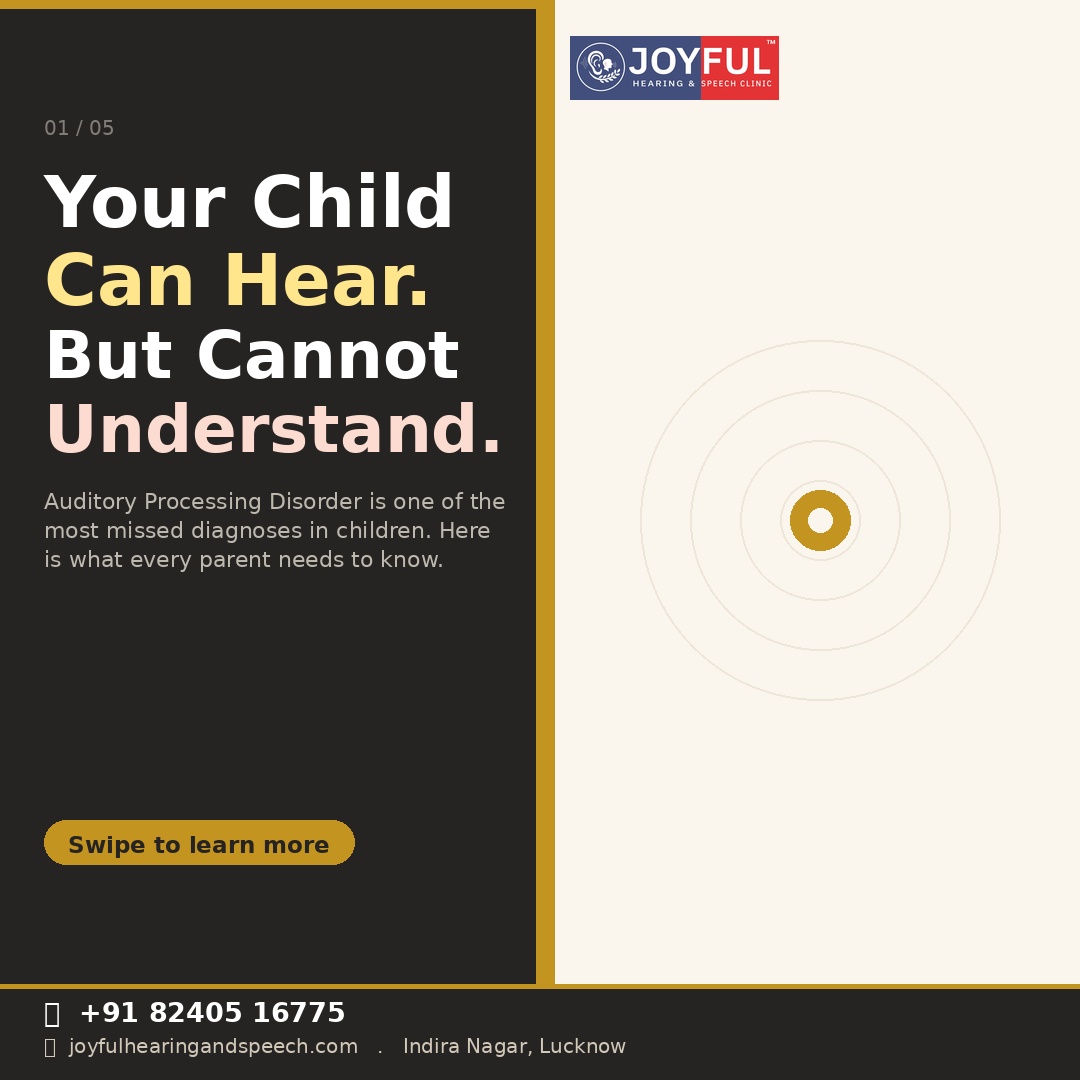
It is one of the most frustrating and misunderstood situations a parent can face. Your child passes a hearing test. The audiologist says the ears are fine. Yet your child constantly asks you to repeat yourself, struggles to follow instructions in school, and seems unable to keep up in noisy environments. The answer may lie not in the ears, but in how the brain processes what the ears hear. This condition is called Auditory Processing Disorder, or APD.
What exactly is APD?
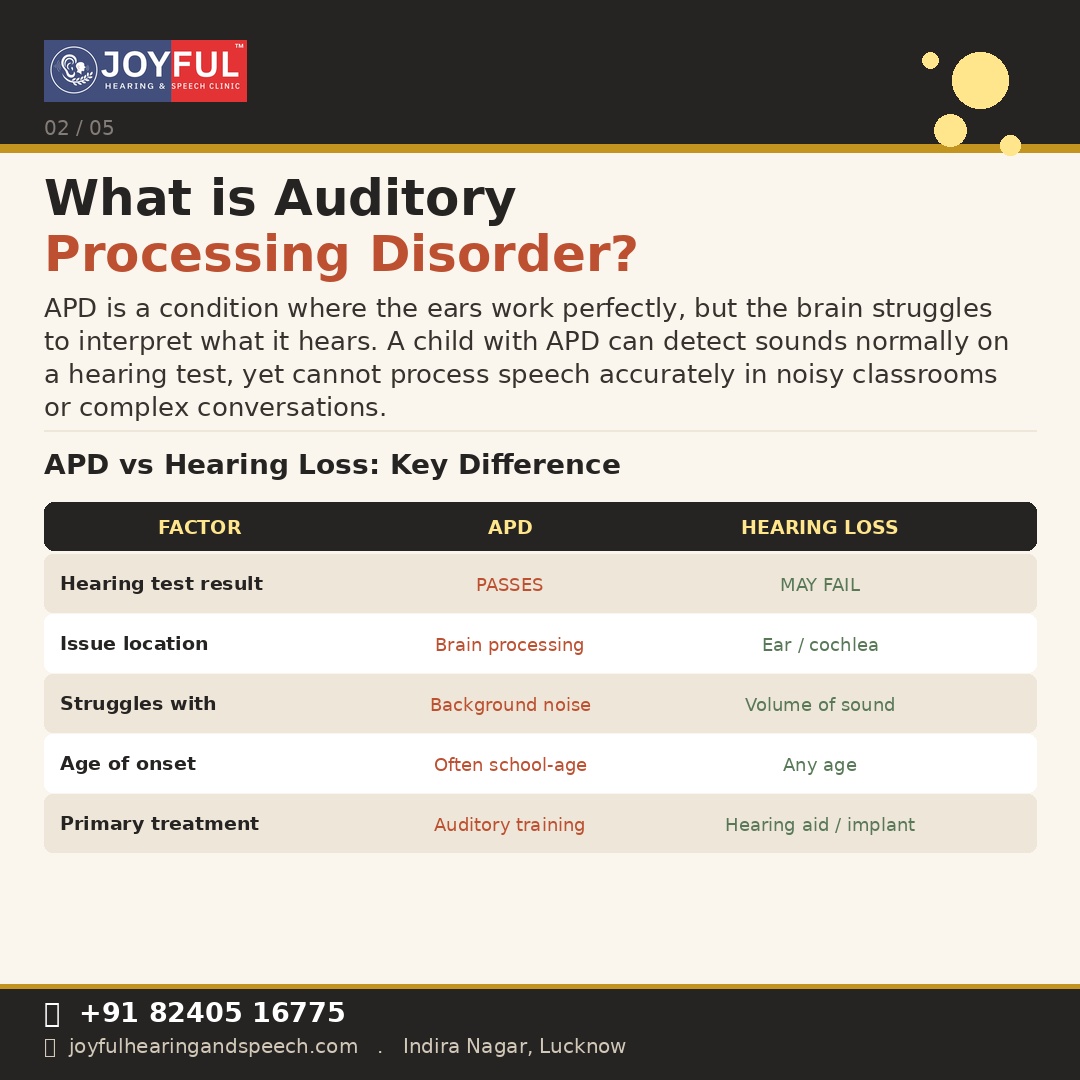
Auditory Processing Disorder is a neurological condition in which the auditory pathway functions normally in terms of detecting sound, but the brain struggles to accurately interpret, sequence, or make sense of what it hears. A child with APD can detect a whisper from across a room yet completely misunderstand a sentence said clearly at normal volume, particularly in the presence of background noise. It is not a hearing loss. It is a processing problem.
Why is it so frequently missed?
APD does not show up on standard hearing tests because those tests only measure whether the ear detects sound, not whether the brain decodes it accurately. As a result, children with APD are routinely misdiagnosed. They are labelled as inattentive, slow, or disobedient. Many are diagnosed with ADHD when the real issue is auditory. Without the right diagnosis, they fall further behind in school each year.
The eight signs parents should know
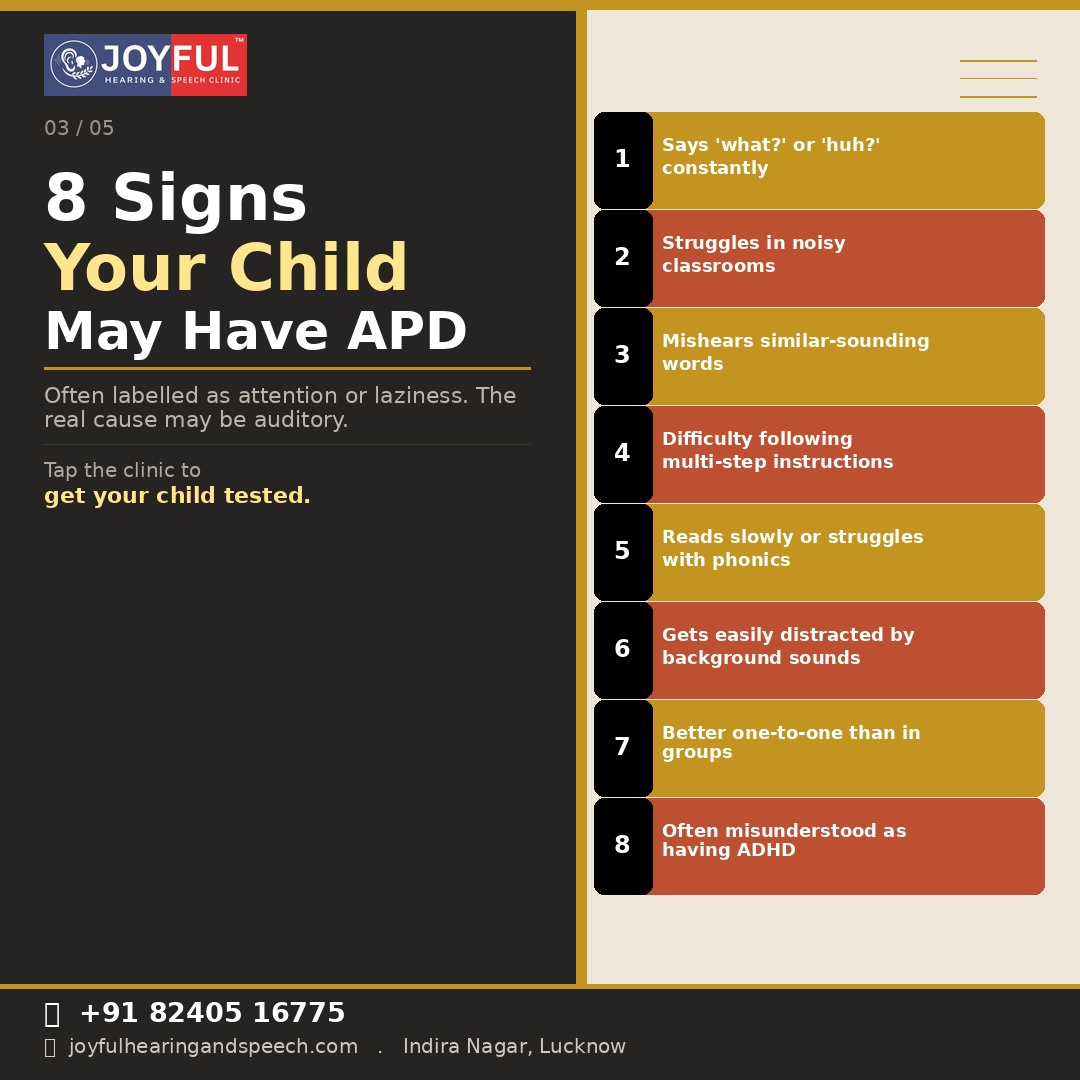
- A child with APD frequently says "what" or "huh" even when sound is audible.
- They struggle to follow multi-step verbal instructions.
- They mishear similar-sounding words such as "cat" and "bat" consistently.
- They find noisy classrooms far more exhausting than peers.
- They may read slowly, struggle with phonics, or find spelling particularly difficult.
- They perform significantly better in one-to-one conversation than in group settings.
These are not personality traits. They are symptoms.
How is APD diagnosed and treated?
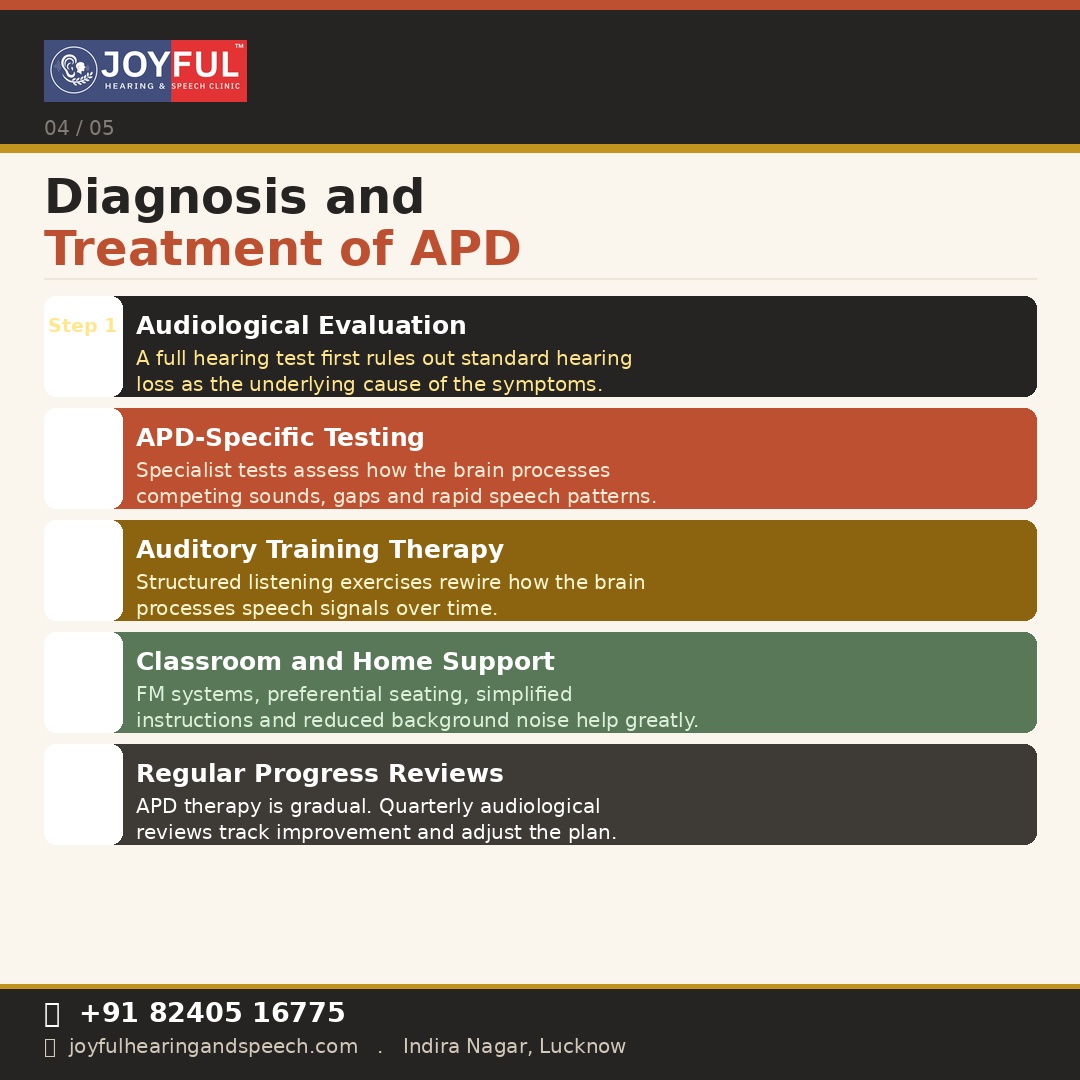
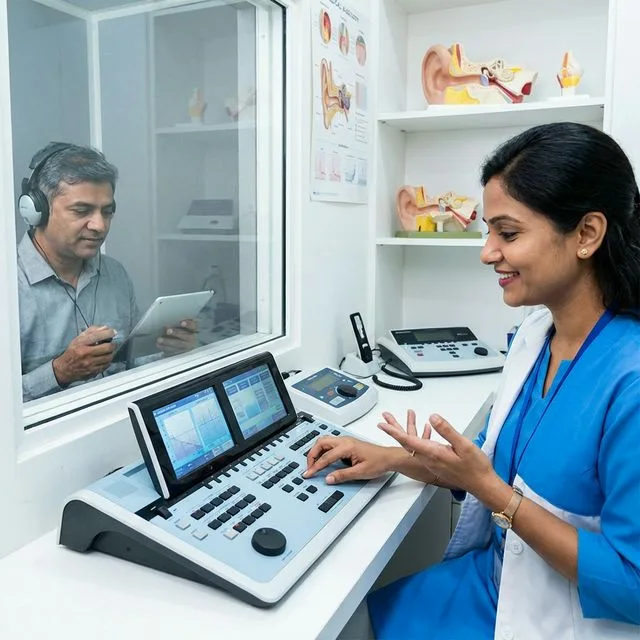
At Joyful Hearing and Speech Clinic, Lucknow, an APD evaluation begins with a standard audiological assessment to rule out conventional hearing loss. This is followed by specialist APD testing that evaluates how well the brain handles competing sounds, rapid speech, and auditory sequencing. If APD is confirmed, a structured programme of auditory training therapy begins, designed to strengthen the neural pathways responsible for sound interpretation. Environmental modifications such as preferential seating, FM classroom systems, and simplified verbal instructions are also recommended to support the child at school and home.
What parents should do right now
If your child's school is flagging attention or comprehension issues but hearing tests come back normal, APD may be the answer. Do not wait for academic gaps to widen.
Written By
Joyful Hearing Specialists
Clinical Audiologists & Speech Therapists